
Quick Answer: The best laptop for data analysis in 2026 is the Apple MacBook Pro 14″ M4 Pro for most analysts, and the ASUS ROG Zephyrus G16 for those who need CUDA GPU power for deep learning. Both hit the sweet spot of performance, RAM, and portability that data workflows demand in 2026.
I’ve spent years doing data analysis, running Python notebooks, querying large SQL datasets, building Tableau dashboards, and training ML models. I know exactly what hardware slows you down, and what makes the job feel effortless.
This guide is not a spec-sheet comparison written by someone who’s never touched a dataset. Every recommendation here is based on real data analysis workflows: loading multi-GB CSVs into Pandas, running Jupyter kernels alongside browsers and SQL clients, and training models with Scikit-learn and PyTorch.
In 2026, the hardware landscape has shifted significantly. Apple’s M4/M5 chips now dominate for most workflows, NVIDIA’s RTX 50-series Blackwell GPUs are out, and 32GB RAM has become the new minimum for serious work. This post is fully updated to reflect what actually matters today.
Best Laptops for Data Analysis in 2026
What’s Changed in 2026 (Important)
If you’re using a guide from 2023 or 2024 to buy a laptop today, stop. Here’s what has fundamentally changed:
RAM: 16GB used to be the standard. In 2026, with larger datasets, heavier Python libraries, and AI-assisted workflows running alongside your analysis tools, 32GB is the new practical minimum for professional work. 16GB is acceptable for students and beginners only.
CPU: Intel’s Core Ultra series and AMD’s Ryzen 7 8000-series now include dedicated NPUs (Neural Processing Units) that accelerate AI-assisted tasks. Apple’s M4 and M5 chips lead in single-core performance, and single-core speed matters more for data analysis than core count.
GPU: For pure data analysis (SQL, Pandas, Tableau, Power BI), you still don’t need a dedicated GPU. But for deep learning with PyTorch or TensorFlow, NVIDIA’s RTX 4060/5060 cards are the minimum worth buying in 2026.
Storage: NVMe SSD is non-negotiable. Reading a 2GB CSV from an NVMe drive takes under 3 seconds. From a slow SATA SSD, it can take 20+ seconds. Every laptop on this list uses NVMe.
Now, let’s see the required configuration for data analysis laptops. In data analysis, you have to deal with data, analysis, and interpretation. So the requirements for data analysis laptops are-
Laptop Requirements for Data Analysis in 2026
Before buying, understand what your workflow actually needs. Data analysis work is RAM-heavy and CPU-dependent, not GPU-heavy — unless you’re doing deep learning.
RAM — The Most Critical Spec
| Use Case | Minimum RAM |
|---|---|
| Student / learning data analysis | 16GB |
| Professional data analyst (SQL, Excel, Python, Tableau) | 32GB |
| Data scientist with ML models | 32GB |
| Deep learning / neural networks locally | 32–64GB |
Warning: Most modern laptops have soldered RAM, you cannot upgrade it later. Buy the right amount upfront.
CPU: Speed Over Core Count
Data workflows like Pandas operations, SQL queries, and Scikit-learn training are mostly single-threaded. A fast 8-core chip beats a slow 16-core chip for your daily work. In 2026:
- Best overall: Apple M4 / M4 Pro (best single-core performance per watt)
- Best Windows: AMD Ryzen 9 8945HS or Intel Core Ultra 7
- Minimum: Intel Core i7 (13th gen+) or AMD Ryzen 7 7000-series
GPU
- Not needed for: Pandas, SQL, Excel, Tableau, Power BI, Scikit-learn
- Needed for: PyTorch deep learning, TensorFlow, computer vision, NLP model training
- Minimum for deep learning: NVIDIA RTX 4060 (8GB VRAM)
- Sweet spot: NVIDIA RTX 4070 / 5060 (8–12GB VRAM)
Storage
- Minimum: 512GB NVMe SSD
- Recommended: 1TB NVMe SSD
- Speed: Gen 4 NVMe is meaningfully faster than Gen 3 — look for this in mid-range and above
Display
A 14–16″ screen at 1920×1200 or higher is ideal for Jupyter notebooks and visualization work. OLED panels offer excellent color accuracy for data visualization. Anti-glare coating matters more for long sessions than peak brightness.
Summary of Requirements for Data Analysis Laptops (2026)
| Requirement | Minimum | Recommended |
|---|---|---|
| RAM | 16GB | 32GB |
| CPU | Intel i7 (13th gen) / Ryzen 7 | Apple M4 Pro / Ryzen 9 |
| GPU | Integrated (for analysis) | RTX 4060 (for deep learning) |
| Storage | 512GB NVMe SSD | 1TB NVMe SSD |
| Display | 14″ FHD (1920×1080) | 14–16″ QHD / OLED |
| Battery | 6 hours | 10+ hours |
| Weight | Under 2.5kg | Under 2kg |
7 Best Laptops for Data Analysis in 2026
1. Apple MacBook Pro 14″ (M4 Pro) — Best Overall for Data Analysis
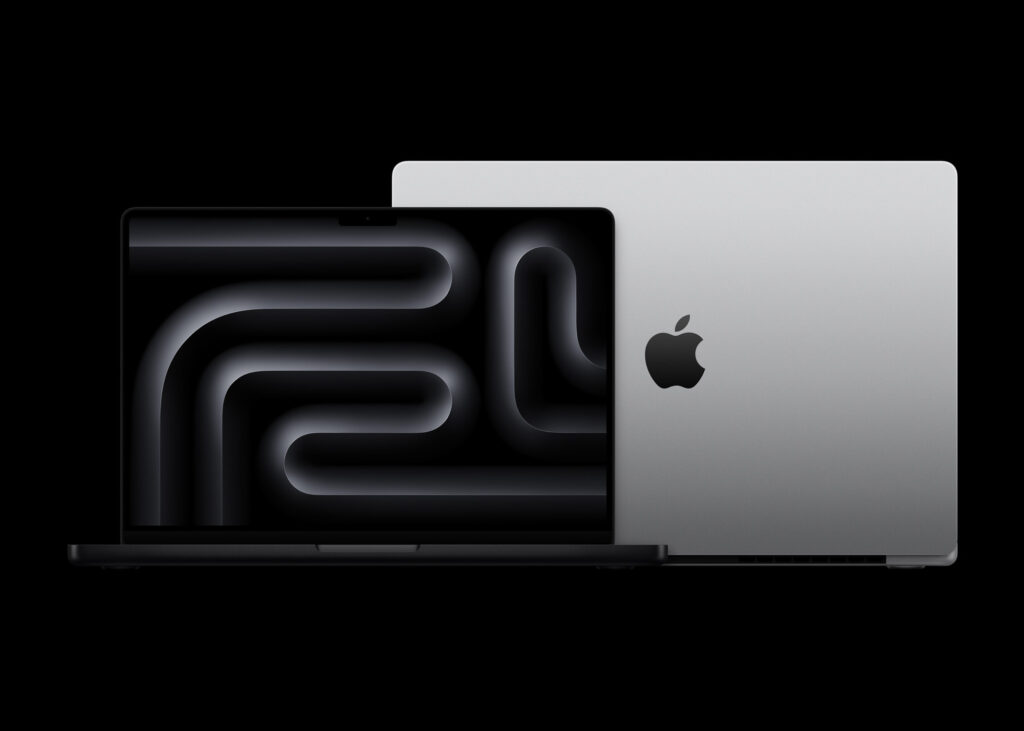
- CPU-Apple M4 Pro (12-core CPU)
- RAM- 24GB or 48GB Unified Memory
- GPU: 20-core Apple GPU (with MPS for PyTorch)
- Storage- 512GB–1TB NVMe SSD
- Desktop- 14.2″ Liquid Retina XDR (3024×1964)
- Weight: 1.61kg
- Battery: Up to 17 hours
Why it’s #1 for data analysis:
The M4 Pro chip is the best laptop processor for data analysis workflows in 2026, full stop. Pandas operations, Jupyter notebooks, SQL queries, and Python scripts run faster than on any Intel or AMD alternative at the same price point. The battery lasts through a full workday. And the Retina XDR display is exceptional for visualizations.
The unified memory architecture is key: the CPU and GPU share the same memory pool, so 24GB of M4 unified memory is more efficient than 32GB DDR5 in a Windows laptop. If you regularly work with large dataframes, multiple notebooks, and browser tabs simultaneously, the 48GB config is worth the upgrade.
PyTorch support via Apple’s Metal Performance Shaders (MPS) backend has matured significantly in 2026, it handles moderate deep learning workloads well, though it still lags behind NVIDIA CUDA for serious training runs.
Best for: Data analysts, data scientists, NLP work, Python/R development, anyone who values battery + performance + build quality.
Drawbacks:
- No CUDA support (not ideal for heavy GPU deep learning)
- Higher price than Windows alternatives
- Non-upgradeable RAM/storage
Buy MacBook Pro 14″ M4 Pro on Amazon →
2. ASUS ROG Zephyrus G16 (2025) — Best for Deep Learning & GPU Work
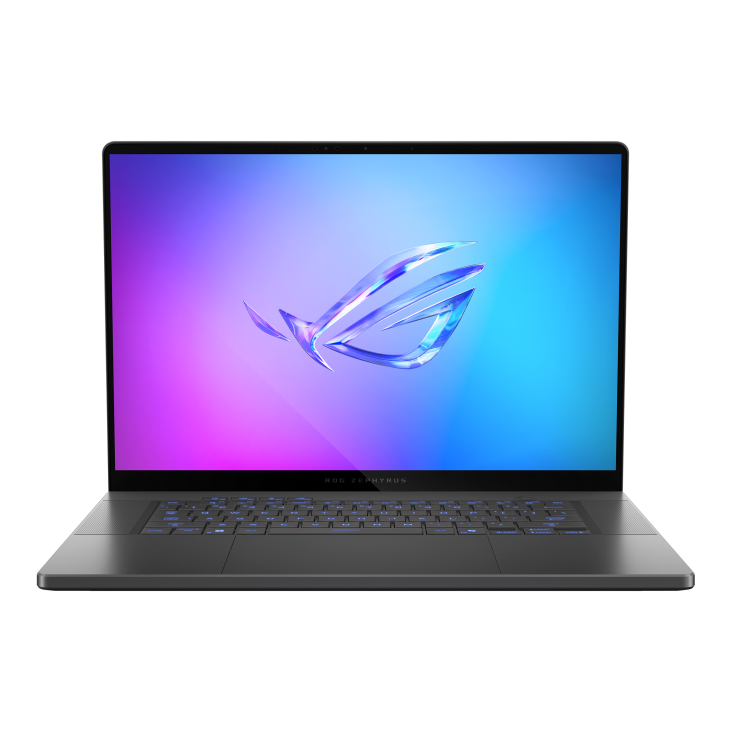
- CPU- AMD Ryzen 9 8945HS (8 cores, up to 5.2GHz)
- RAM- 32GB DDR5
- GPU- NVIDIA GeForce RTX 5070 Ti (12GB GDDR7 VRAM)
- Storage- 1TB Gen 4 NVMe SSD
- Display- 16″ QHD+ OLED (2560×1600, 240Hz)
- Battery: 4–6 hours under GPU load, 10+ hours light use
- Weight: 1.9kg
Why it’s great for data science:
If your work involves training neural networks, running PyTorch or TensorFlow locally, or doing computer vision, the Zephyrus G16 with its RTX 5070 Ti is the GPU powerhouse to beat in 2026. CUDA support means full compatibility with every deep learning library. The RTX 50-series Blackwell architecture delivers roughly 2x the AI inference performance of the previous generation.
The Ryzen 9 8945HS is one of the fastest laptop CPUs for single-threaded data operations. Combined with 32GB DDR5 and a Gen 4 SSD, this machine handles anything you throw at it, without the GPU needing to be involved at all.
The OLED display makes data visualization genuinely enjoyable. It’s thinner and lighter than most gaming laptops, so it’s practical to carry.
Best for: Data scientists who train deep learning models locally, ML engineers, computer vision, and NLP researchers.
Drawbacks:
- The battery drains fast under GPU load
- Runs warm during heavy training — cooling is needed
- Gaming aesthetic may not suit corporate environments
Buy ASUS ROG Zephyrus G16 on Amazon →
3. Dell XPS 15 (2025, with RTX 5060) — Best Windows Laptop for Most Analysts
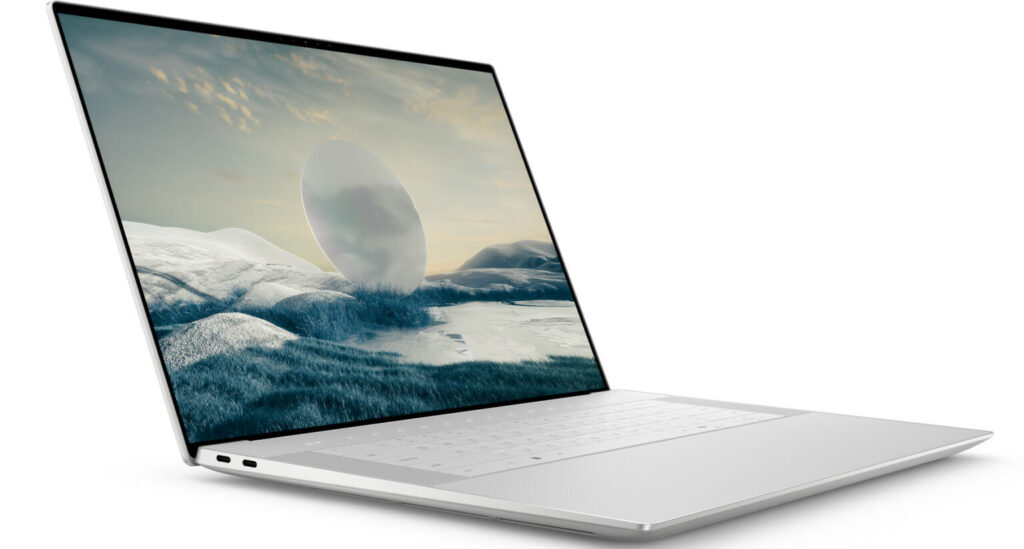
- CPU- Intel Core Ultra 7 155H (16 cores)
- RAM- 32GB DDR5
- GPU- NVIDIA RTX 5060 (8GB VRAM) — get the 2025 model; 2026 model dropped discrete GPU
- Storage- 1TB Gen 4 NVMe SSD
- Display- 15.6″ OLED 3.5K (3456×2160)
- Battery: 8–9 hours (productivity)
- Weight: 1.86kg
Why it’s a top pick:
The Dell XPS 15 (2025) is the Windows laptop I recommend most often to data analysts who want premium build quality, CUDA GPU support, and a stunning display, without going full gaming laptop.
The Core Ultra 7 chip includes a dedicated NPU for AI-assisted tasks, and WSL2 (Windows Subsystem for Linux) gives you excellent Linux compatibility for running your full Python/data stack natively. The 3.5K OLED display is exceptional for dashboards and visualization.
Important note: Dell’s 2026 XPS 16 dropped the discrete GPU, stick with the 2025 XPS 15 model if you need GPU compute.
Best for: Data analysts and data scientists on Windows who want a professional machine with optional GPU capability.
Drawbacks:
- Modest battery life compared to MacBook
- RTX 5060 is mid-tier for serious deep learning
- Can throttle under sustained heavy load without proper ventilation
4. Lenovo ThinkPad X1 Carbon Gen 12 — Best for Enterprise & Travel
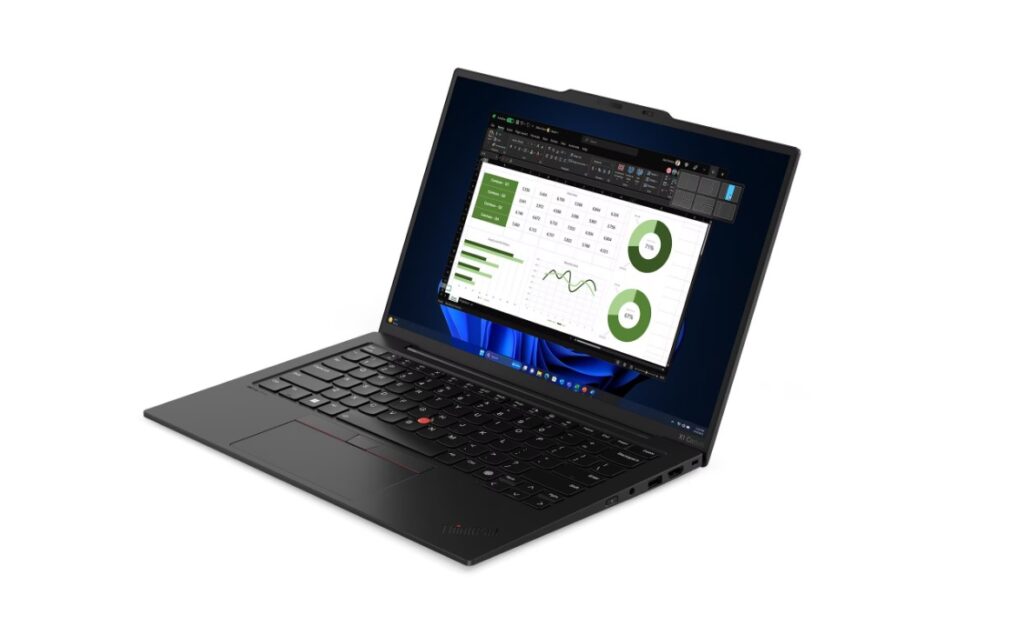
- CPU- Intel Core Ultra 7 165U
- RAM- 32GB LPDDR5X
- GPU-Intel Arc Integrated Graphics
- Storage- 512GB–1TB NVMe SSD
- Display- 14″ IPS 2.8K (2880×1800)
- Battery: 15+ hours
- Weight: 1.12kg
Why analysts love it:
If you’re a data analyst who travels frequently, presents to clients, works from cafes, and sits in back-to-back meetings, the ThinkPad X1 Carbon is your laptop. At just 1.12kg, it’s lighter than most 13″ MacBooks, yet it handles Pandas, SQL, Power BI, and Excel without breaking a sweat.
The keyboard is widely regarded as the best on any laptop, critical for long coding and analysis sessions. Battery life is extraordinary: 15+ hours of real use. Build quality is military-grade durable.
Intel Arc integrated graphics handles basic visualizations and dashboards well. For heavy ML work, you’d use cloud compute (AWS, GCP, Google Colab) instead.
Best for: Data analysts at corporations, frequent travelers, consultants who present from their laptops, and anyone who prioritizes portability and battery life over raw compute.
Drawbacks:
- No dedicated GPU
- Not suitable for local deep learning
- More expensive than similarly-specced alternatives
Buy Lenovo ThinkPad X1 Carbon on Amazon →
5. Apple MacBook Air 15″ (M4) — Best Value MacBook for Data Analysis
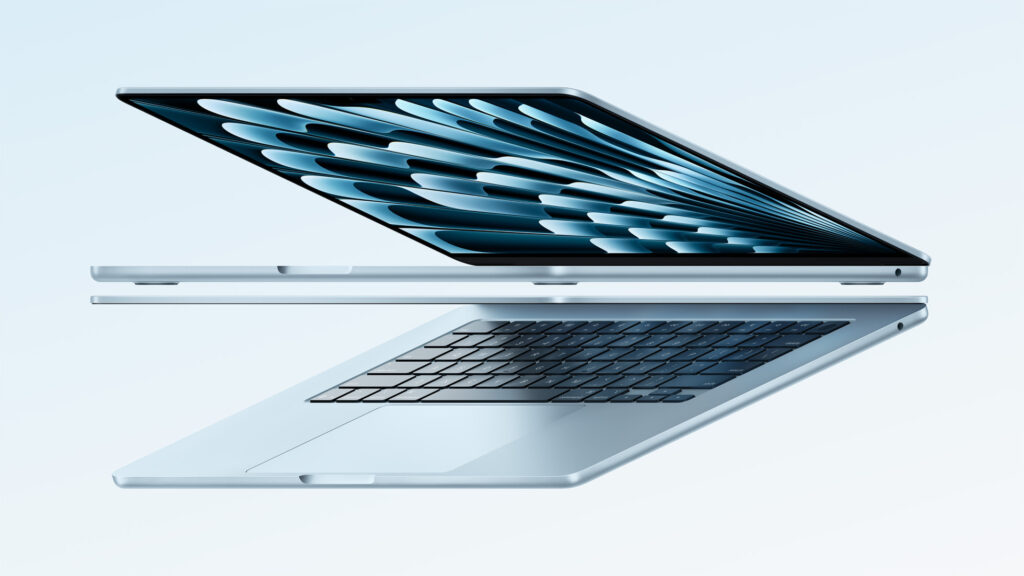
- CPU- Apple M4 (10-core CPU)
- RAM-16GB or 32GB Unified Memory
- GPU- 10-core Apple GPU
- Storage- 256GB–1TB NVMe SSD
- Display- 15.3″ Liquid Retina (2560×1664)
- Battery: Up to 18 hours
- Weight: 1.51kg
Why it’s an excellent value:
The MacBook Air M4 is the best value laptop for data analysis if you don’t need a dedicated GPU. It’s fanless, completely silent, which means it can’t sustain heavy GPU load for extended periods, but for all standard data analysis work (Pandas, SQL, R, Scikit-learn, Jupyter notebooks), it’s genuinely fast.
The 15.3″ screen gives you more space than the 14″ MacBook Pro for dashboard work and code review. Battery life is the best of any laptop on this list, up to 18 hours is real for light-to-moderate analytical workflows.
Get the 32GB configuration — the 16GB model shows its limits faster than you’d expect with large datasets.
Best for: Students, beginner data analysts, analysts on a budget who want a Mac, and cloud-first data scientists.
Drawbacks:
- No fan = throttles under sustained heavy load
- 16GB base config is a compromise
- No CUDA / discrete GPU
Buy MacBook Air 15″ M4 on Amazon →
6. HP Spectre x360 14″ — Best 2-in-1 for Data Analysts
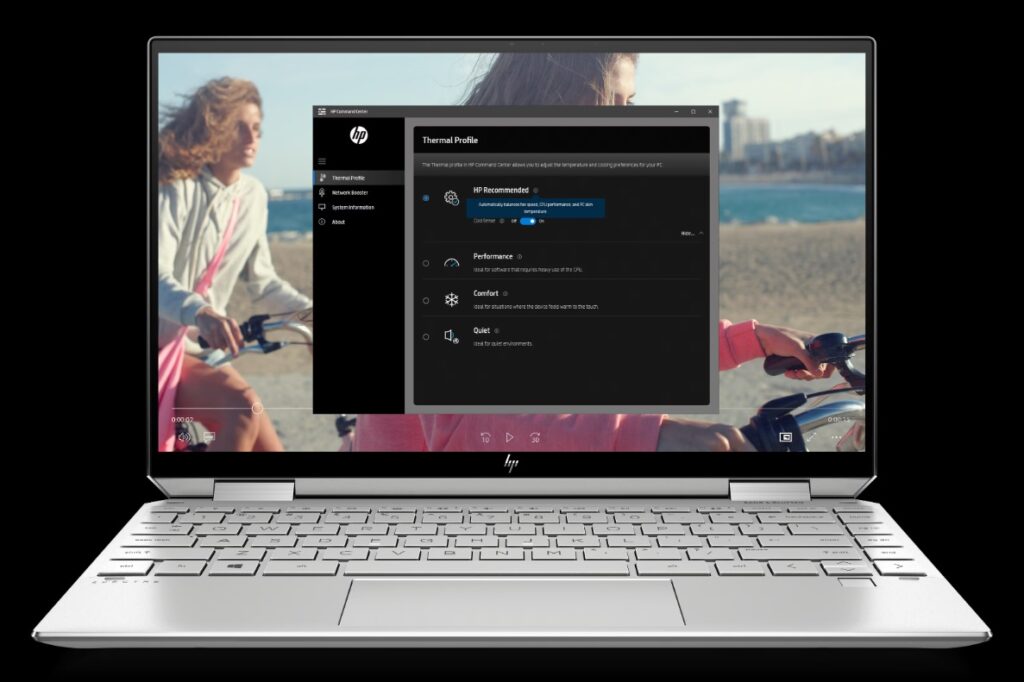
- CPU- Intel Core Ultra 7 155H
- RAM- 32GB LPDDR5X
- GPU- Intel Arc Integrated Graphics
- Storage- 1TB Gen 4 NVMe SSD
- Desktop- 14″ 2.8K OLED touchscreen
- Battery: 12+ hours
- Weight: 1.42kg
Why it stands out:
The HP Spectre x360 is the best choice if you need a convertible laptop, one that doubles as a tablet for annotating charts, presenting data visually, or sketching dashboard ideas. The OLED touchscreen is stunning for data visualization.
At 32GB RAM and a Core Ultra 7 processor with NPU, it handles real analytical work comfortably. Pandas, SQL, Jupyter notebooks, and Power BI all run smoothly. The battery lasts through a full workday.
Best for: Data analysts who present frequently, those who want a touchscreen for annotation, and analysts who travel and want versatility.
Drawbacks:
- No dedicated GPU
- Slightly heavier than pure ultrabooks
- More expensive than non-convertible alternatives with equivalent specs
Buy HP Spectre x360 on Amazon →
7. Acer Nitro V 15 — Best Budget Laptop for Data Analysis & Machine Learning
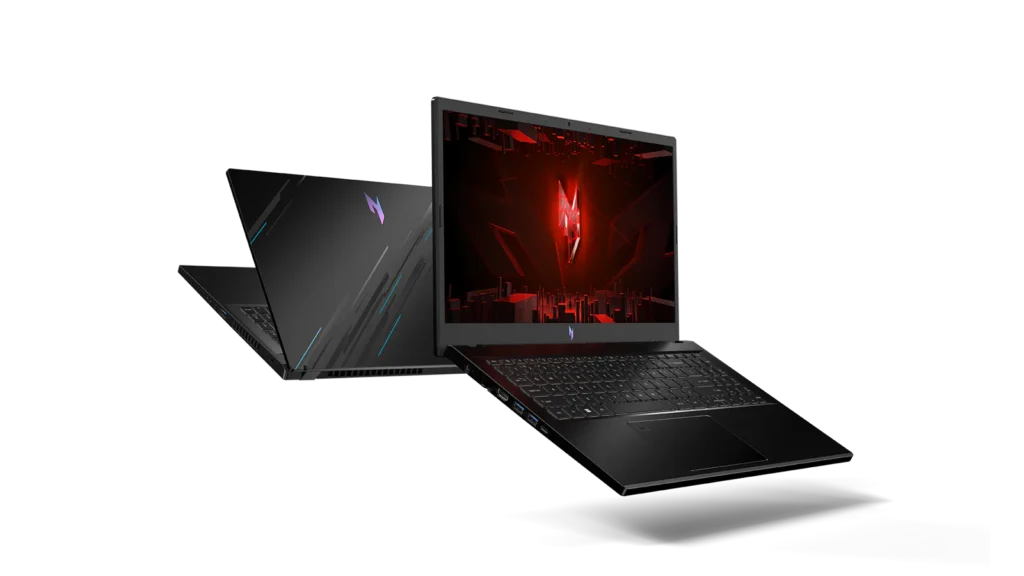
- CPU- AMD Ryzen 7 7435HS
- RAM- 16GB DDR5 (upgradeable to 32GB)
- GPU-NVIDIA RTX 4050 (6GB GDDR6 VRAM)
- Storage- 512GB Gen 4 NVMe SSD
- Display- 15.6″ FHD IPS (1920×1080, 144Hz)
- Battery: 4–5 hours under load
- Weight: 2.4kg
Why it’s the best budget pick:
At roughly a third of the price of a MacBook Pro, the Acer Nitro V 15 gives you a real CUDA GPU (RTX 4050), something no other budget laptop can match. For students and early-career data scientists who want hands-on GPU experience with PyTorch or TensorFlow without spending a fortune, this is the smartest choice in 2026.
The RAM is user-upgradeable — buy the 16GB model and upgrade to 32GB yourself for a fraction of the cost. This is rare and genuinely valuable.
The RTX 4050 won’t handle large-scale model training, but it runs most PyTorch experiments, handles computer vision projects on standard datasets, and gives you the CUDA experience needed for interviews and portfolio work.
Best for: Students, early-career data scientists, anyone who wants GPU capability on a tight budget, self-learners building ML portfolios.
Drawbacks:
- Short battery life
- Heavier and louder than premium options
- Gaming-style design
- 15.6″ FHD screen is basic compared to OLED alternatives
Buy Acer Nitro V 15 on Amazon →
Comparison Table
For your convenience, I have created a table so that you can easily compare the laptop’s configurations-
| Laptop | CPU | RAM | GPU | Storage | Battery | Weight | Best For |
|---|---|---|---|---|---|---|---|
| MacBook Pro 14″ M4 Pro | Apple M4 Pro | 24–48GB | Apple 20-core GPU | 512GB–1TB | 17 hrs | 1.61kg | Most analysts |
| ASUS ROG Zephyrus G16 | Ryzen 9 8945HS | 32GB DDR5 | RTX 5070 Ti | 1TB | 10 hrs light | 1.9kg | Deep learning |
| Dell XPS 15 (2025) | Core Ultra 7 | 32GB DDR5 | RTX 5060 | 1TB | 8–9 hrs | 1.86kg | Windows power users |
| ThinkPad X1 Carbon Gen 12 | Core Ultra 7 | 32GB | Intel Arc | 512GB–1TB | 15+ hrs | 1.12kg | Travel & enterprise |
| MacBook Air 15″ M4 | Apple M4 | 16–32GB | Apple 10-core GPU | 256GB–1TB | 18 hrs | 1.51kg | Budget Mac users |
| HP Spectre x360 14″ | Core Ultra 7 | 32GB | Intel Arc | 1TB | 12 hrs | 1.42kg | 2-in-1 versatility |
| Acer Nitro V 15 | Ryzen 7 7435HS | 16GB (upgradeable) | RTX 4050 | 512GB | 4–5 hrs | 2.4kg | Budget + GPU |
So these are the 7 Best Laptops for Data Analysis in 2026. Now, I would like to share my suggestion and compare these laptops for data analysis profiles and use case scenarios.
Which Laptop Is Right for You? (By Role)
I’m a data analyst (SQL, Excel, Power BI, Tableau, basic Python): → Get the MacBook Air 15″ M4 (32GB) or ThinkPad X1 Carbon if you’re on Windows. You don’t need a GPU. Prioritize RAM, SSD speed, and battery life.
I’m a data scientist (ML models, Jupyter notebooks, feature engineering): → Get the MacBook Pro 14″ M4 Pro (24GB or 48GB). For Windows: Dell XPS 15 2025 with 32GB DDR5.
I need to train deep learning models locally (PyTorch, TensorFlow, neural networks): → Get the ASUS ROG Zephyrus G16 with RTX 5070 Ti. If budget is tight: Acer Nitro V 15 with RTX 4050.
I’m a student just starting out: → Get the Acer Nitro V 15 (budget GPU option) or MacBook Air 15″ M4 (16GB is enough to start). Upgrade RAM on the Acer later.
I travel frequently and present to clients: → Get the ThinkPad X1 Carbon or HP Spectre x360 14“.
I want the best of everything: → MacBook Pro 14″ M4 Pro (48GB unified memory) or ASUS ROG Zephyrus G16 with RTX 5070 Ti.
Mac vs Windows for Data Analysis in 2026
This is the question I get asked most often. Here’s the honest answer:
Choose Mac if:
- You work primarily with Python, SQL, Jupyter, VS Code, dbt, or cloud services (AWS, GCP)
- Battery life and portability matter to you
- You want the fastest single-core performance for data wrangling and exploratory analysis
- You don’t need CUDA for deep learning
Choose Windows if:
- Your deep learning workflow depends on CUDA libraries, custom GPU kernels, or TensorFlow with specific CUDA versions
- Your company uses Windows-based enterprise tools (SSMS, Azure Data Studio natively, Power BI Desktop)
- You need WSL2 Linux compatibility alongside Windows tools
The bottom line in 2026: For most data analysts and data scientists doing SQL, Python, and ML with Scikit-learn, Apple Silicon is the faster, more efficient, and more portable choice. For deep learning with full CUDA support, Windows with an NVIDIA GPU is still the better option.
My Top Pick
After using multiple machines over the years, my personal recommendation depends on your situation:
For most data analysts and data scientists: Get the Apple MacBook Pro 14″ M4 Pro with at least 24GB unified memory. The combination of performance, battery life, display quality, and portability is unmatched at this price point in 2026. It handles every data analysis workflow I throw at it, large Pandas dataframes, multiple Jupyter kernels, SQL queries, R scripts, without breaking a sweat.
For those who need GPU power at a lower price: The Acer Nitro V 15 is the smartest budget buy, especially because you can upgrade the RAM yourself.
For Windows users who want the best: The Dell XPS 15 2025 is the premium Windows pick, with a professional design, OLED display, and a capable GPU in one package.
Conclusion
The best laptop for data analysis in 2026 isn’t about chasing the highest specs on paper; it’s about matching hardware to your actual workflow.
For most data analysts and data scientists, the MacBook Pro 14″ M4 Pro is the smartest investment: unmatched performance, exceptional battery life, and a display that makes visualization work genuinely enjoyable. If you need CUDA GPU power for deep learning, the ASUS ROG Zephyrus G16 is the Windows machine to beat.
On a budget? The Acer Nitro V 15 gives you a real GPU, upgradeable RAM, and all the computing power you need to learn and build, at a fraction of the premium price.
Whatever you choose, prioritize RAM first (32GB if possible), then CPU speed, then GPU, in that order. A fast SSD is non-negotiable. And buy above your current needs, because data workflows only get heavier with time.
Happy analyzing!
FAQ
You May Also Be Interested In
8 Best Laptops for Data Science Students and Data Scientists
15 Best Online Courses for Data Science for Everyone in 2026
Data Analyst Online Certification to Become a Successful Data Analyst
8 Best Data Engineering Courses Online- Complete List of Resources
Best Course on Statistics for Data Science to Master in Statistics
8 Best Tableau Courses Online- Find the Best One For You!
8 Best Online Courses on Big Data Analytics You Need to Know
Best SQL Online Course Certificate Programs for Data Science
7 Best SAS Certification Online Courses You Need to Know
Data Analyst Online Certification to Become a Successful Data Analyst
Thank YOU!
Explore More about Data Science, Visit Here
Thought of the Day…
‘ It’s what you learn after you know it all that counts.’
– John Wooden

Written By Aqsa Zafar
Aqsa Zafar is a Ph.D. scholar in Machine Learning at Dayananda Sagar University, specializing in Natural Language Processing and Deep Learning. She has published research in AI applications for mental health and actively shares insights on data science, machine learning, and generative AI through MLTUT. With a strong background in computer science (B.Tech and M.Tech), Aqsa combines academic expertise with practical experience to help learners and professionals understand and apply AI in real-world scenarios.